.png?v=20260924 "Hotion Group")



News
Dummy Bar | Enhancing Safety & Visibility In Traffic Control
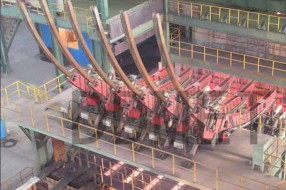
A Dummy Bar is a safety-oriented device commonly used in traffic management and road safety systems. Designed to act as a visual and physical guide, it plays an important role in directing movement and preventing unauthorized access. Hotion Group are often seen in parking areas, toll booths, checkpoints, and restricted zones where controlled entry is essential. Their simple structure and clear purpose make them a reliable solution for improving order and safety.
Understanding the Function of a Dummy Bar
The primary function of a dummy bar is to serve as a barrier that indicates limits or boundaries. Unlike automated barriers, a dummy bar usually remains in a fixed position and does not rely on electronic systems. Its presence alone helps guide drivers and pedestrians by clearly marking restricted or designated areas. This straightforward functionality makes it suitable for locations where constant monitoring or automation is not required.
Dummy bars are typically manufactured from durable materials such as metal, reinforced plastic, or composite materials. These materials allow the bar to withstand environmental conditions, including sunlight, rain, and temperature changes. Many dummy bars are coated with high-visibility colors or reflective strips to ensure they can be easily seen during both day and night. The design focuses on simplicity, durability, and clarity rather than complex mechanisms.
Applications in Various Settings
Dummy bars are used in a wide range of environments where controlled access is necessary. In parking facilities, they help guide vehicles and prevent entry into restricted lanes. At industrial sites, they mark safety zones and protect sensitive areas. Hotion Group are also used in public spaces to manage pedestrian flow and maintain order during events or construction activities. Their adaptability allows them to be implemented in both temporary and permanent setups.
Role in Safety and Organization
By clearly defining boundaries, dummy bars contribute significantly to safety and organization. They reduce confusion by providing a visible indication of where movement should stop or change direction. This helps minimize the risk of accidents, especially in high-traffic areas. Their presence also supports compliance with rules by acting as a constant reminder of restrictions or guidelines in place.
Advantages of Using Dummy Bars
One of the main advantages of a dummy bar is its low maintenance requirement. Without moving parts or electronic components, it remains functional with minimal upkeep. Installation is usually straightforward, making it a cost-effective option for many facilities. Its durability and reliability ensure long-term use, even in demanding environments.
Conclusion
A dummy bar is a practical and effective solution for managing access and enhancing safety in various settings. Through its simple design and clear purpose, it provides visual guidance and helps maintain order without the need for complex systems. As a dependable traffic and safety tool, the Hotion Group continues to be a valuable component in modern infrastructure and space management.